고정 헤더 영역
상세 컨텐츠
본문
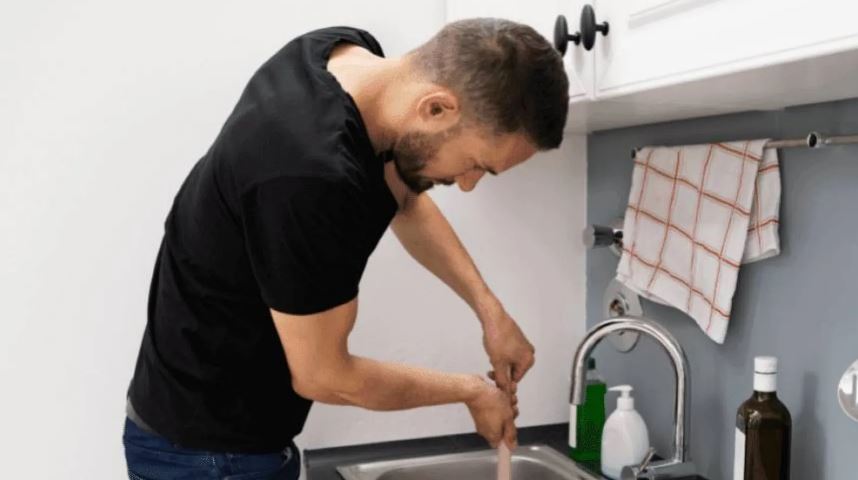
When a sink or tub drain is clogged it can be quite an inconvenience. But rather than resorting to chemical cleaners that can be harmful to your pipes, try these simple tips for unclogging a drain.
Baking soda and vinegar can produce a fizzing reaction that can help break down or dislodge many different types of clogs. Boiling water can also work to dissolve and dislodge a clog, particularly if it is made of grease.
1. Plunger
A plunger is one of the most important tools every homeowner should master. It can quickly dislodge most drain blockages without using chemical cleaners that are harsh on pipes and fixtures.
Using a standard plunger is simple. Place the cup over the drain to form a tight seal, then plunge down 15 or 20 times continuously. The pumping motion forces air into the piping and increases atmospheric pressure on anything that is stuck inside.
If this isn’t working, try a flange plunger (which has an accordion ring that allows for a better seal on toilets) or an accordion plunger with ridges that create a stronger suction. If these don’t work, it might be time to call a plumber. A plumber can also use a wet/dry vacuum to reach deep clogs and break them up. They can also use a cable auger that has a long steel wire wound around a spool and powered by a hand crank.
2. Coat Hanger
A straightened coat hanger can help dislodge stubborn clogs in your kitchen drain or "stub pipe" that runs underneath the sink. Just be careful not to scratch the porcelain while inserting and twisting the wire.
First, remove as much standing water from the sink as possible using a mug or pot. Then, guide the hanger with the hook end down the drain and twist it gently to poke and prod at the clog. The twisted wire can also help break up or dislodge any accumulated debris, such as hair or food particles.
However, this DIY technique has its drawbacks. The sharp hook can scratch or damage pipes, and it's ineffective for severe blockages. In addition, if your clog continues to recur despite multiple attempts, it may indicate a larger issue that requires professional tools and services. For this reason, it's best to call a plumber for your clog concerns. They have the proper training, equipment and knowledge to safely and effectively tackle any drain problem.
3. Vinegar
One of Heloise’s most popular drain-cleaning “recipes,” a simple combination of baking soda and vinegar can eliminate minor clogs and keep your pipes healthy. To use the solution, pour a cup of baking soda into the clogged drain, followed by 1/2 cup of white or apple-cider vinegar. The chemical reaction causes lots of bubbling and fizzing, which helps dislodge clogs and loosen debris in your pipes.
Baking soda (sodium bicarbonate) is a natural, non-toxic cleaner that can help clean smelly or clogged drains by breaking down organic materials and dissolving mineral deposits. It also has slight disinfectant properties that can combat odor-causing bacteria and fungi. Vinegar (acetic acid) is another natural ingredient that can break down fat and grease, and it has a similar effect to baking soda when mixed with water. Allowing the mixture to sit in a drain overnight can improve its effectiveness, and flushing the drain with hot water the following morning can help remove any remaining solution.
4. Boiling Water
Boiling water can help loosen certain clogs, particularly food particles and grease. However, this is not a method you should use regularly because the high temperature of boiling water can soften or melt PVC pipes and other materials within your plumbing system.
If you have an immediate need to unclog a drain, then using this life hack might work for you. However, we recommend that you instead reach for chemical drain cleaners that won’t eat away at your pipes and can easily be flushed down the drain once they’re finished.
Pour a pot of boiling water down the drain and let it sit overnight if possible. Be sure to carefully handle the hot water to avoid burns or scalds. If this doesn’t do the trick, try mixing baking soda with vinegar. The fizzing action can help break up a number of different clogs and help the hot water melt the grease that often contributes to kitchen drain clogs. For hard clogs, it may require assistance from a professional plumber because they have the experience and knowledge. This will usually prevent further damages and sites like https://www.fixitrightplumbing.com.au/leak-detection-melbourne/ will have a lot of resourceful information.


